
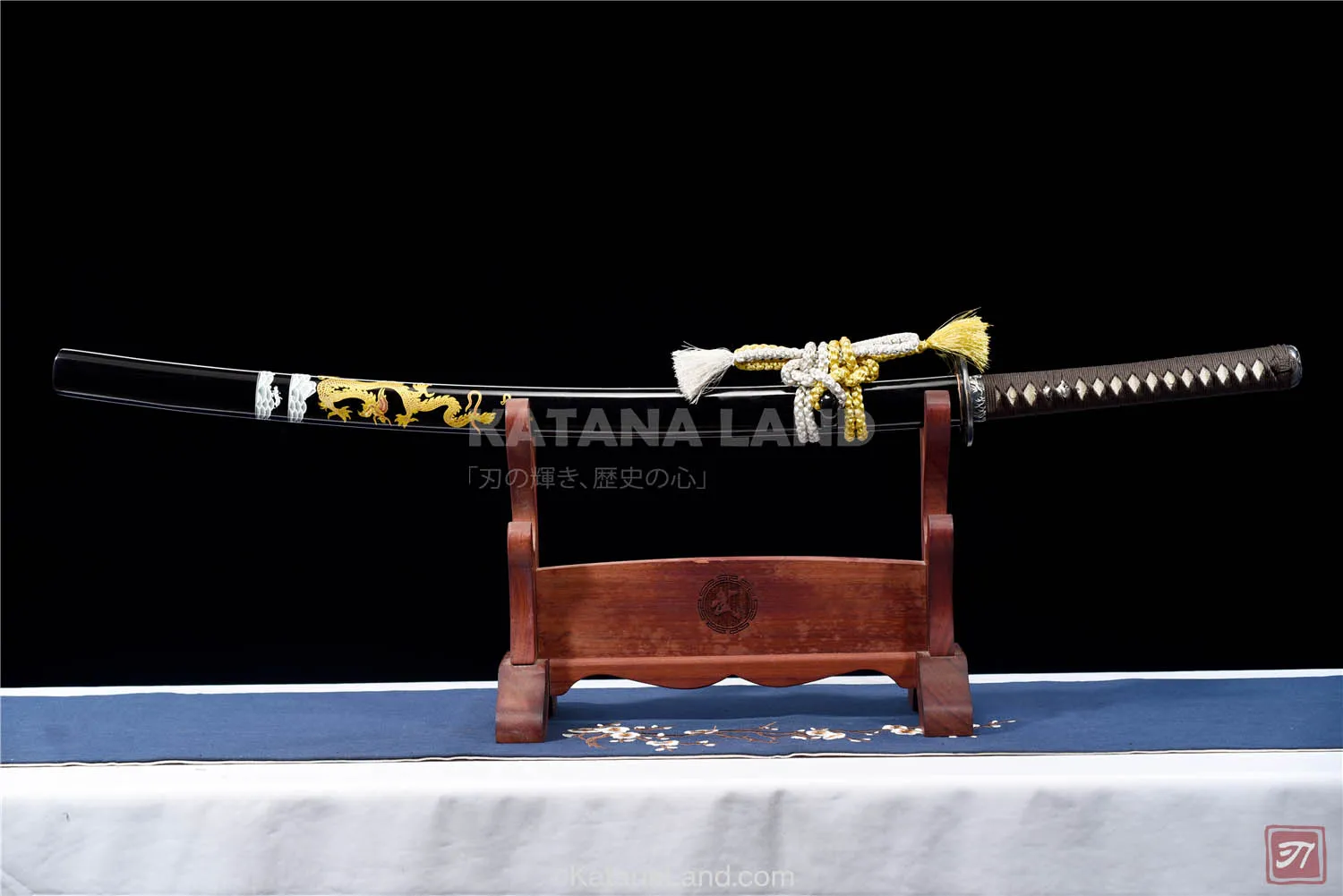
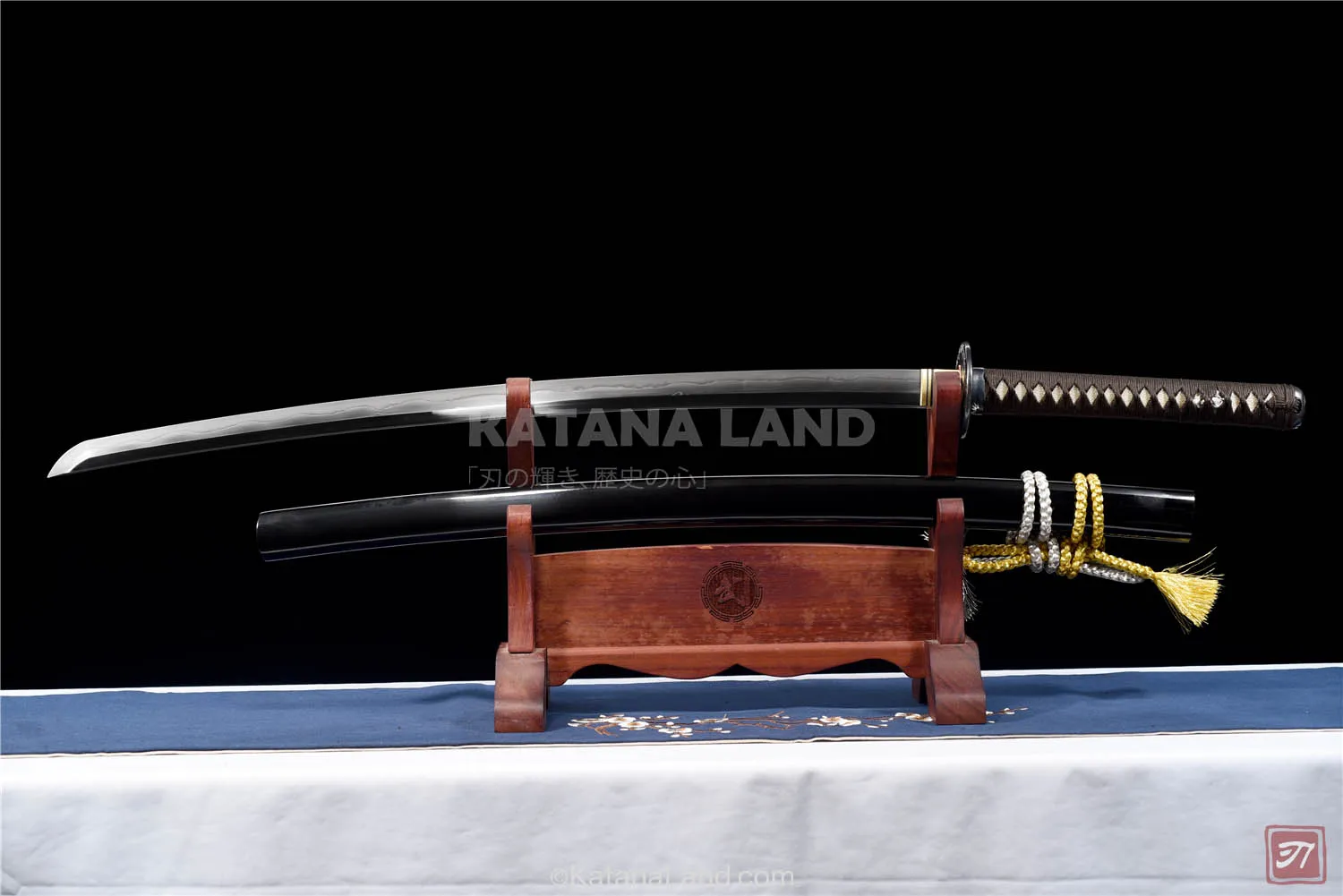
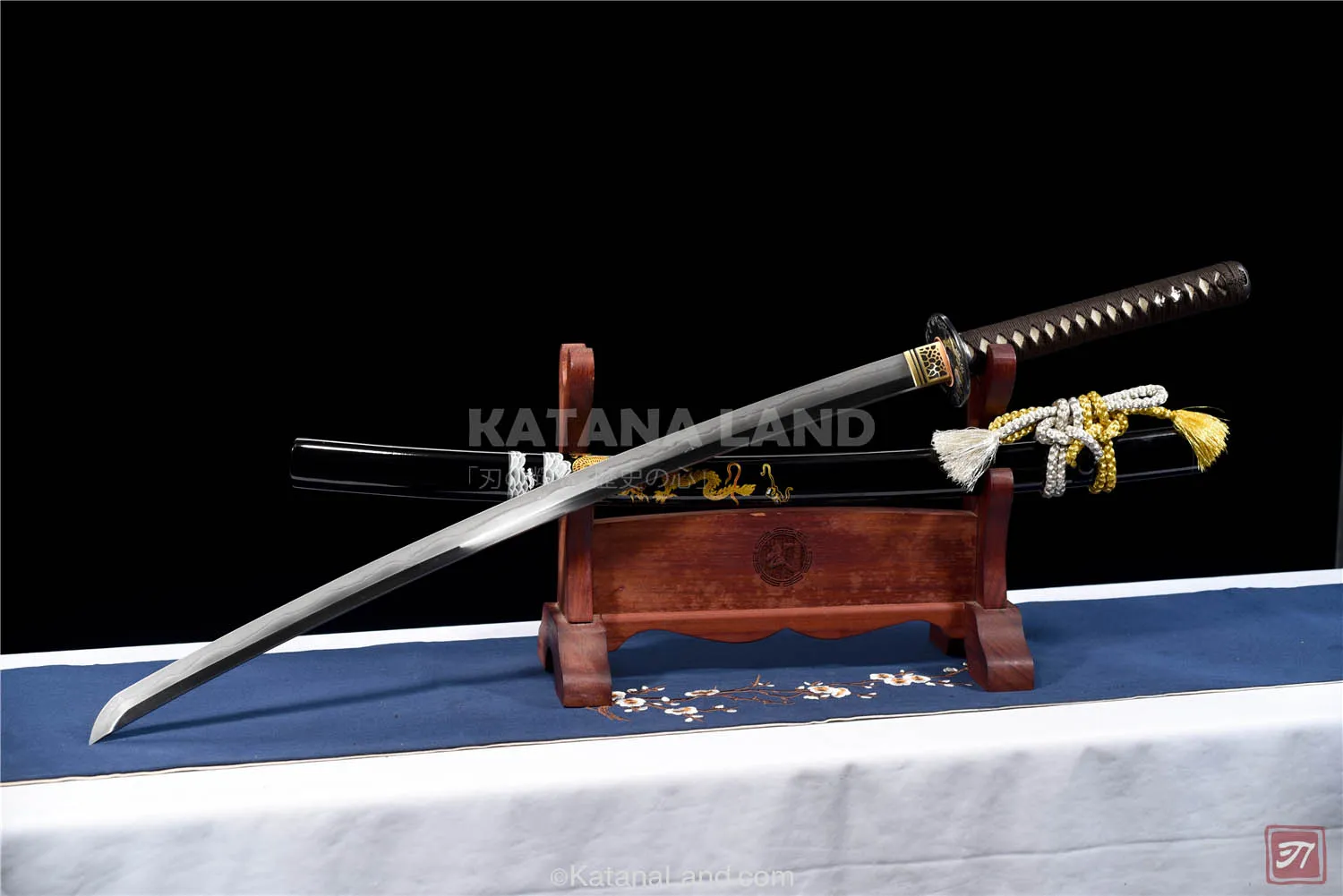
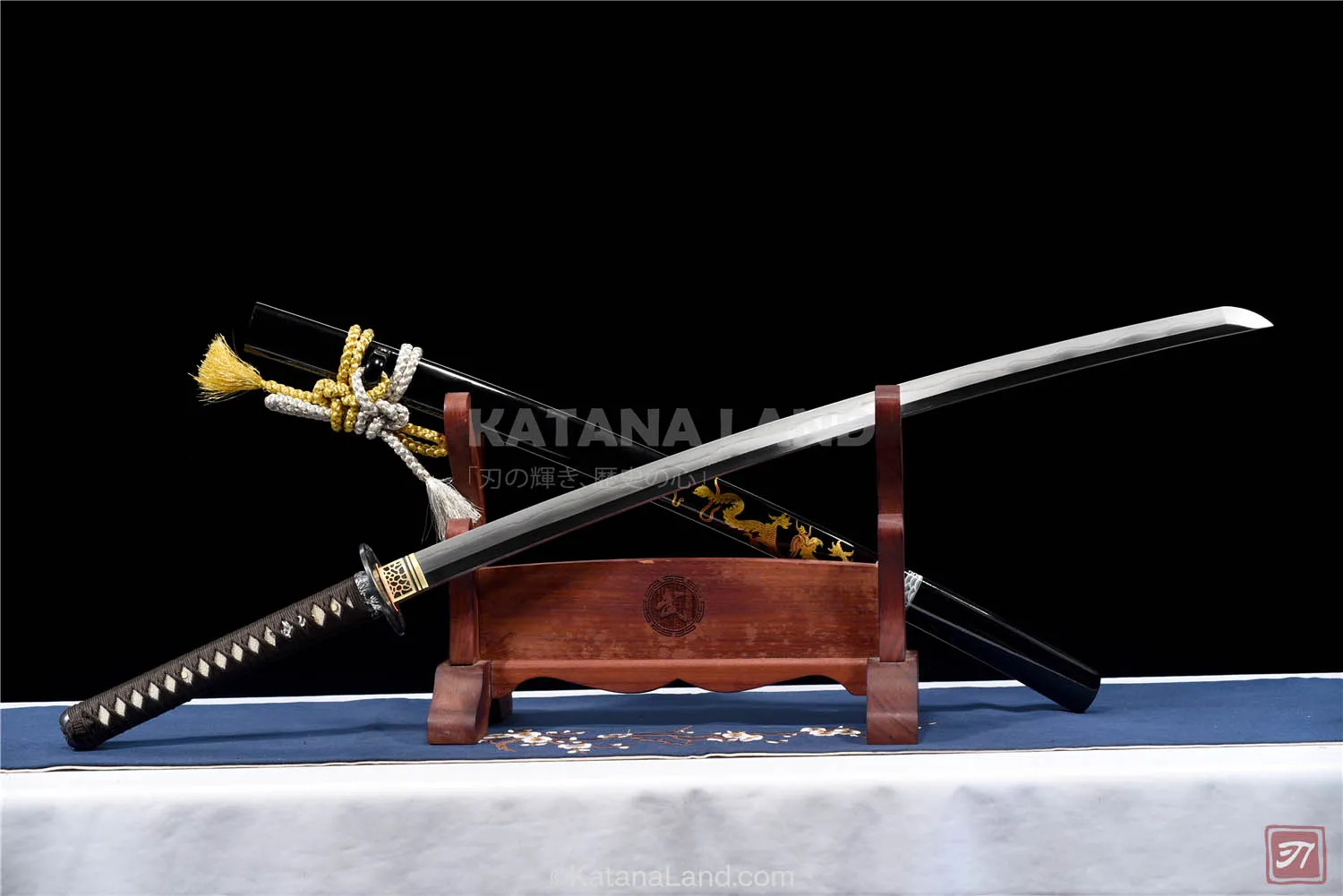
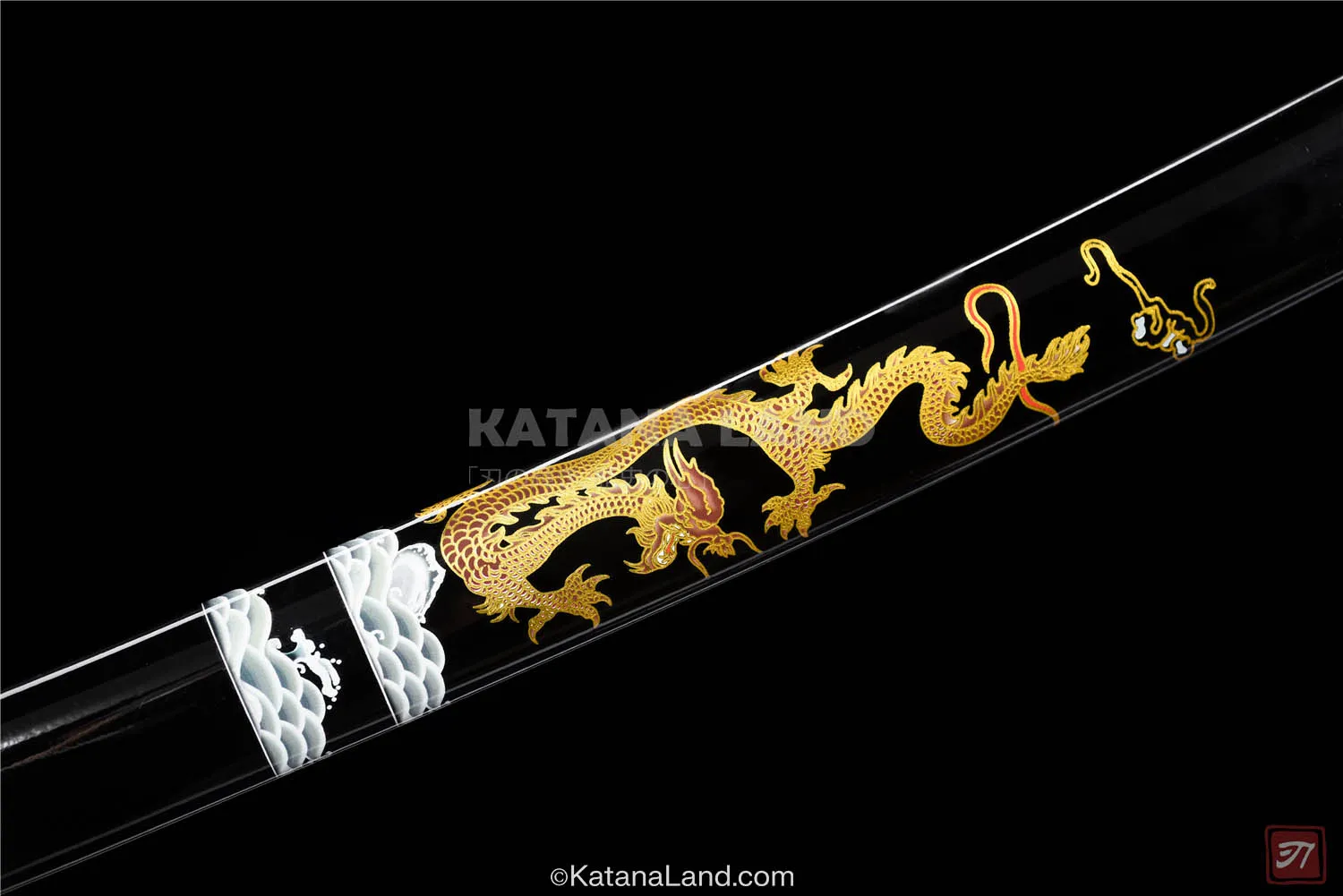
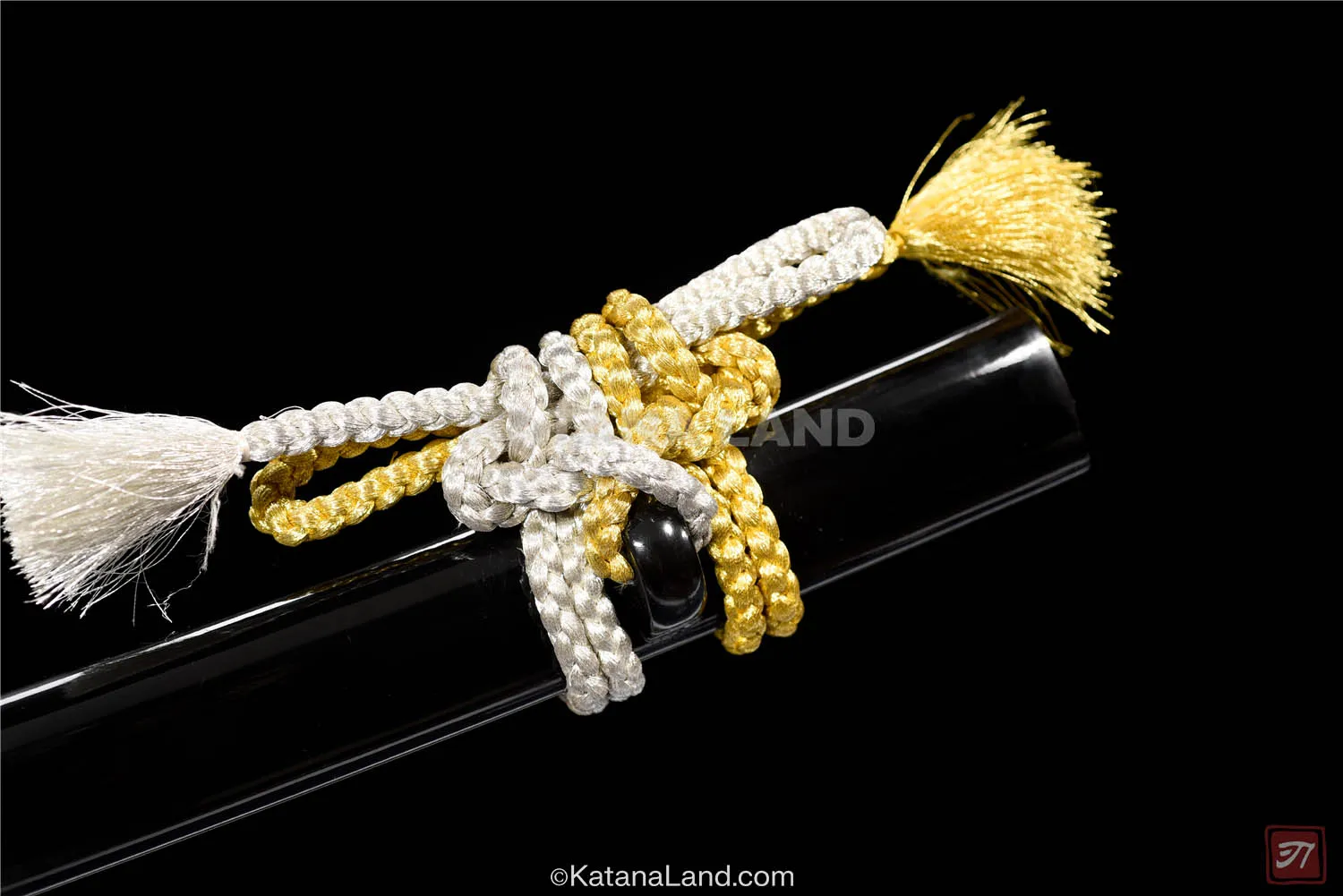
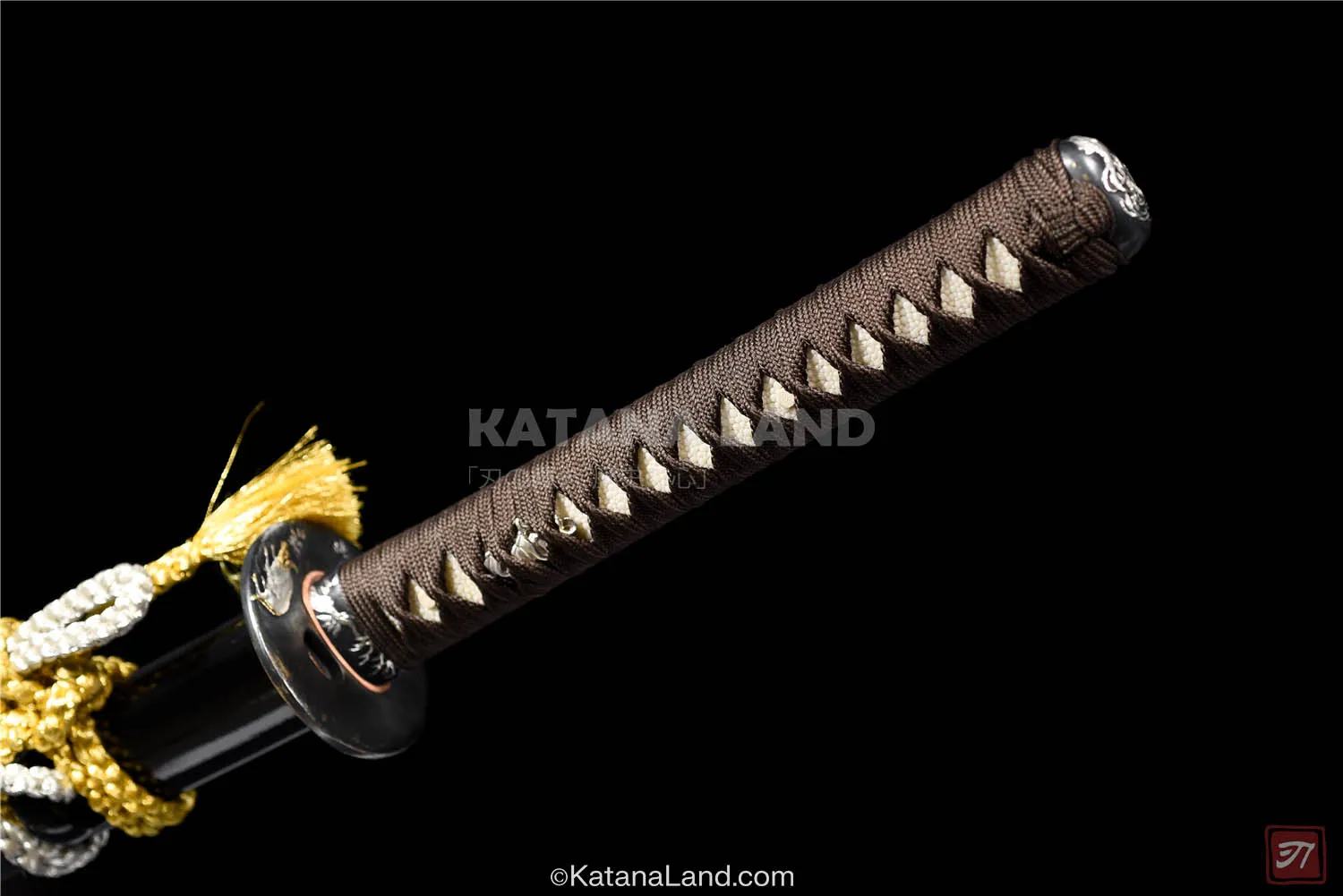
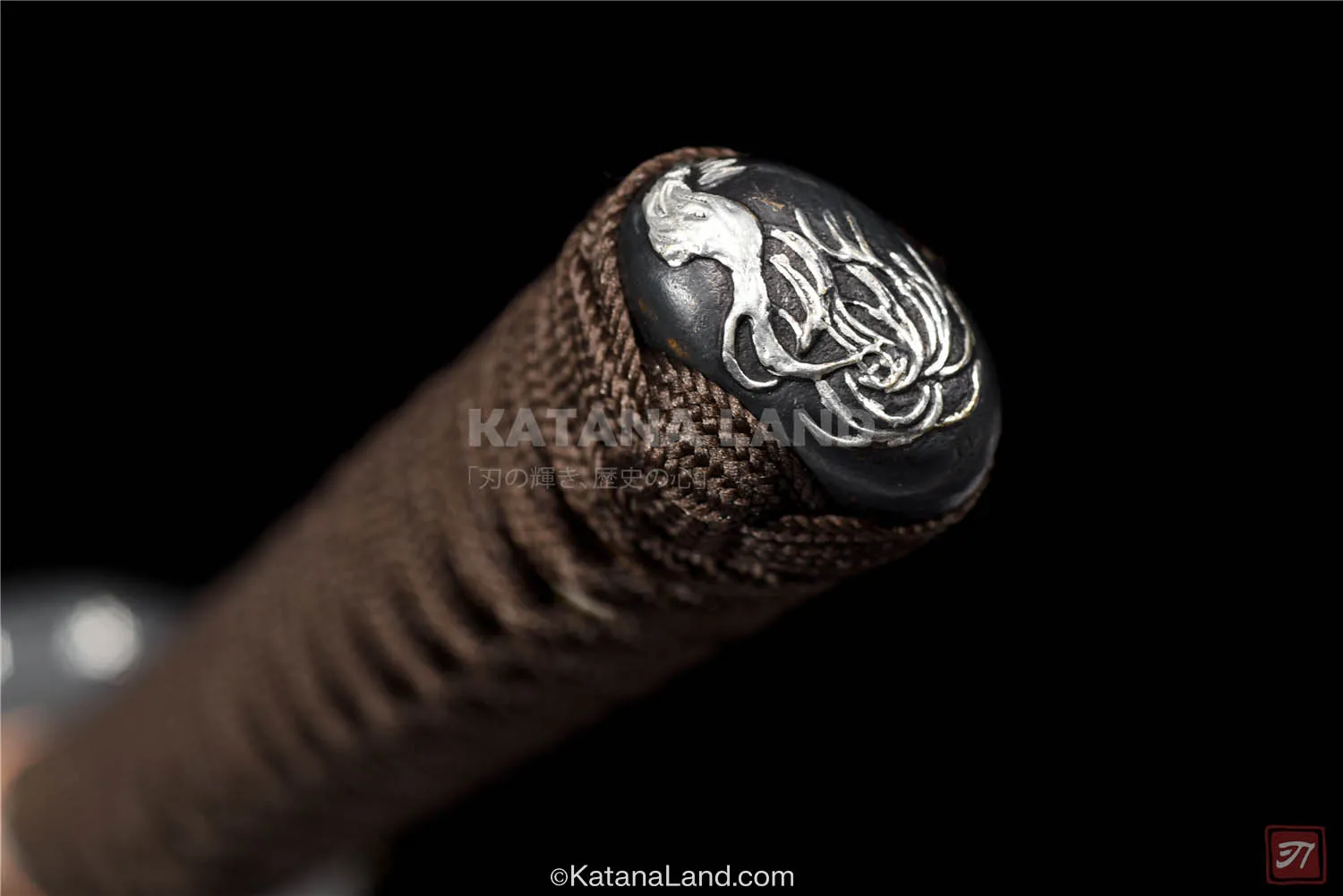
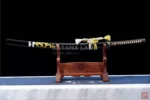
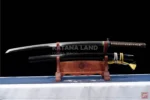
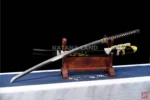
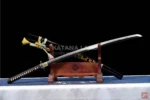
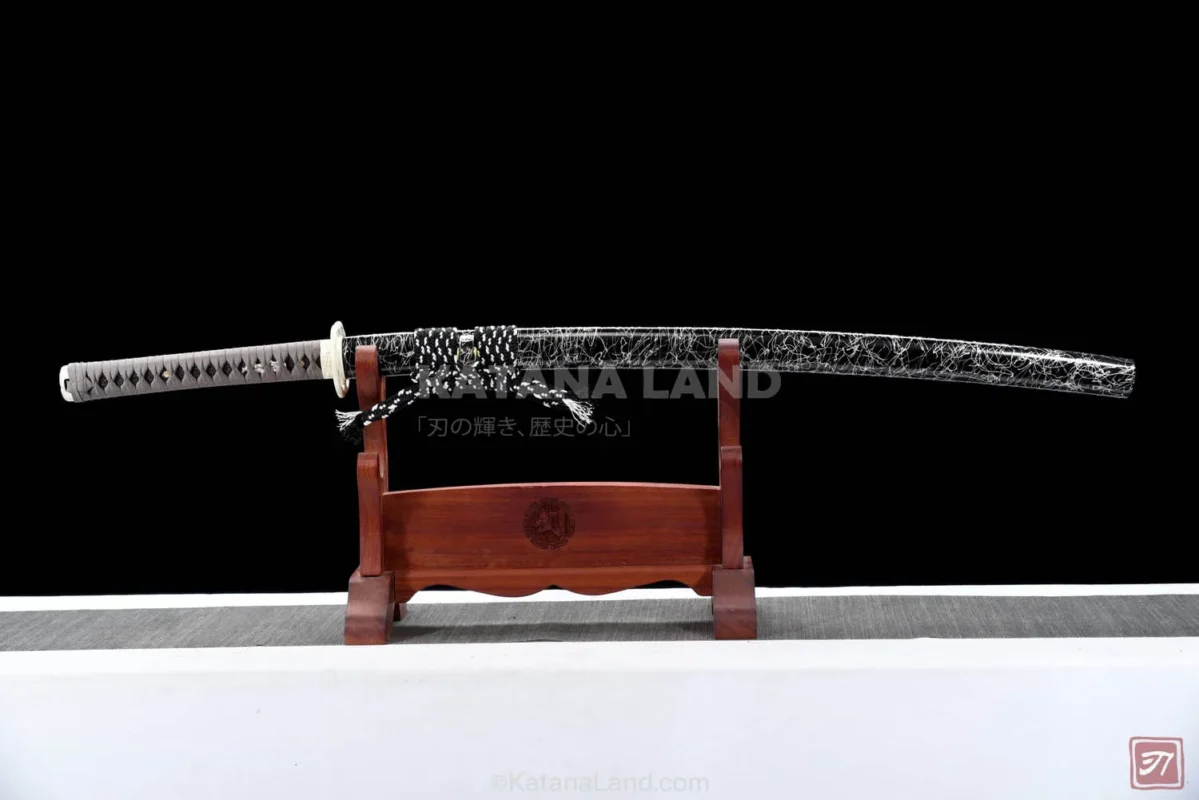
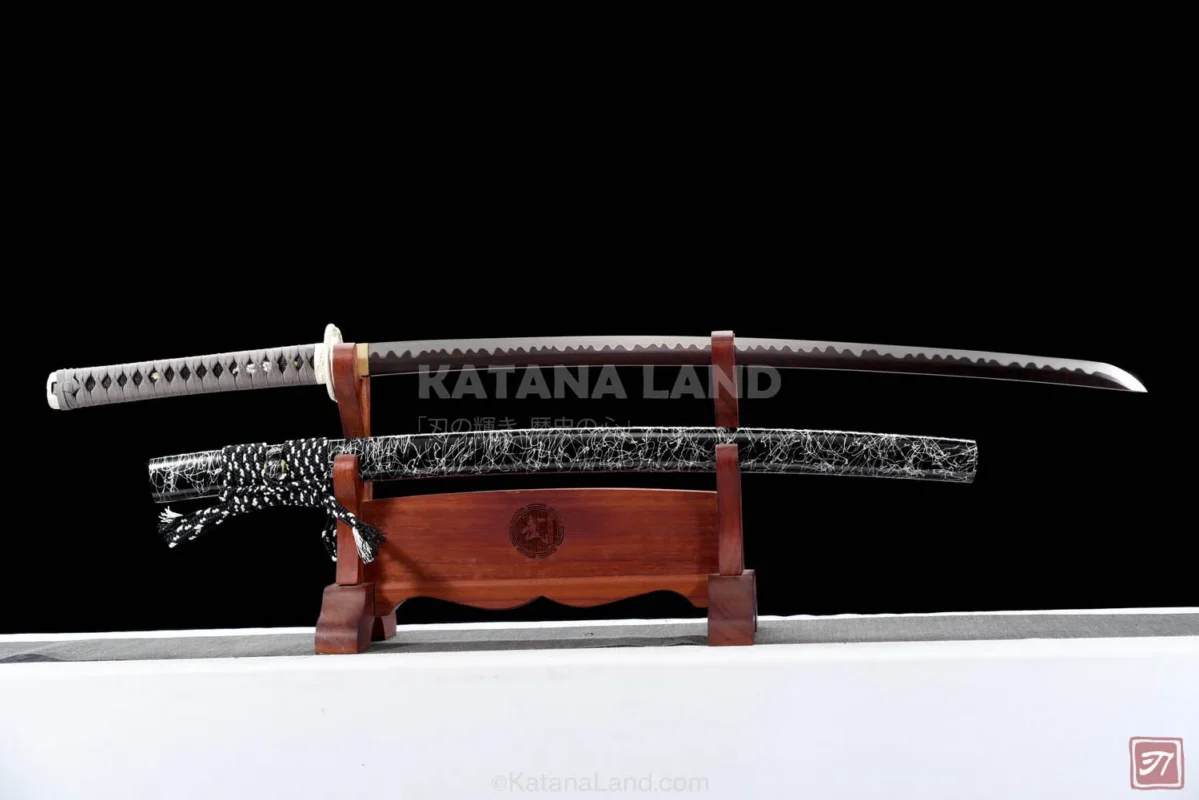
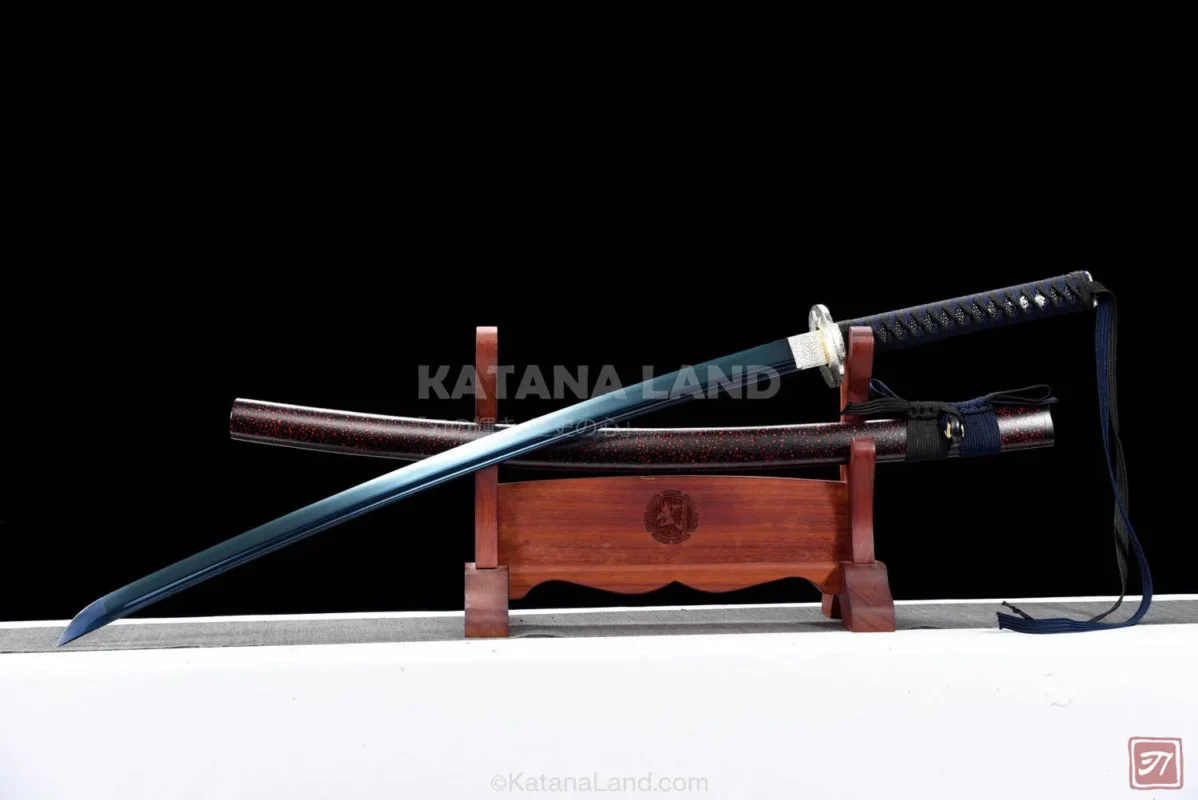
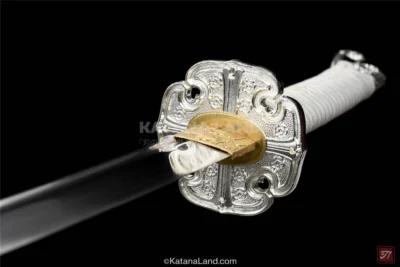
Kurogane no Tsurugi
$840.00
DIMENSIONS
- Total Length: 103cm (40.55 in)
- Blade Length: 71cm (27.95 in)
- Handle Length: 27cm (10.63 in)
- Blade Width: 3.2cm (1.26 in)
- Weight: 1.5kg (3.31lb)
- Blade Material: T10 Steel
OVERVIEW
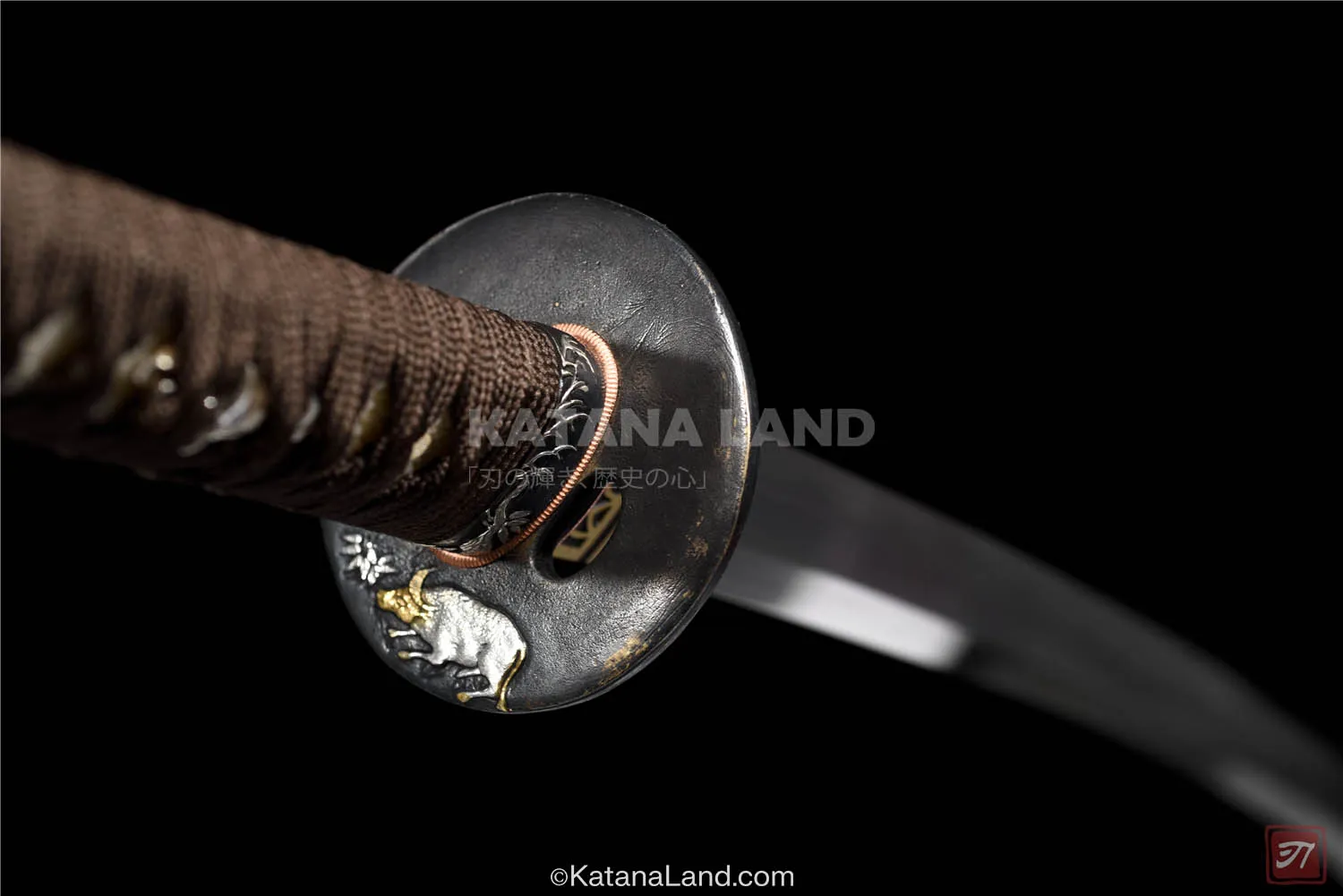
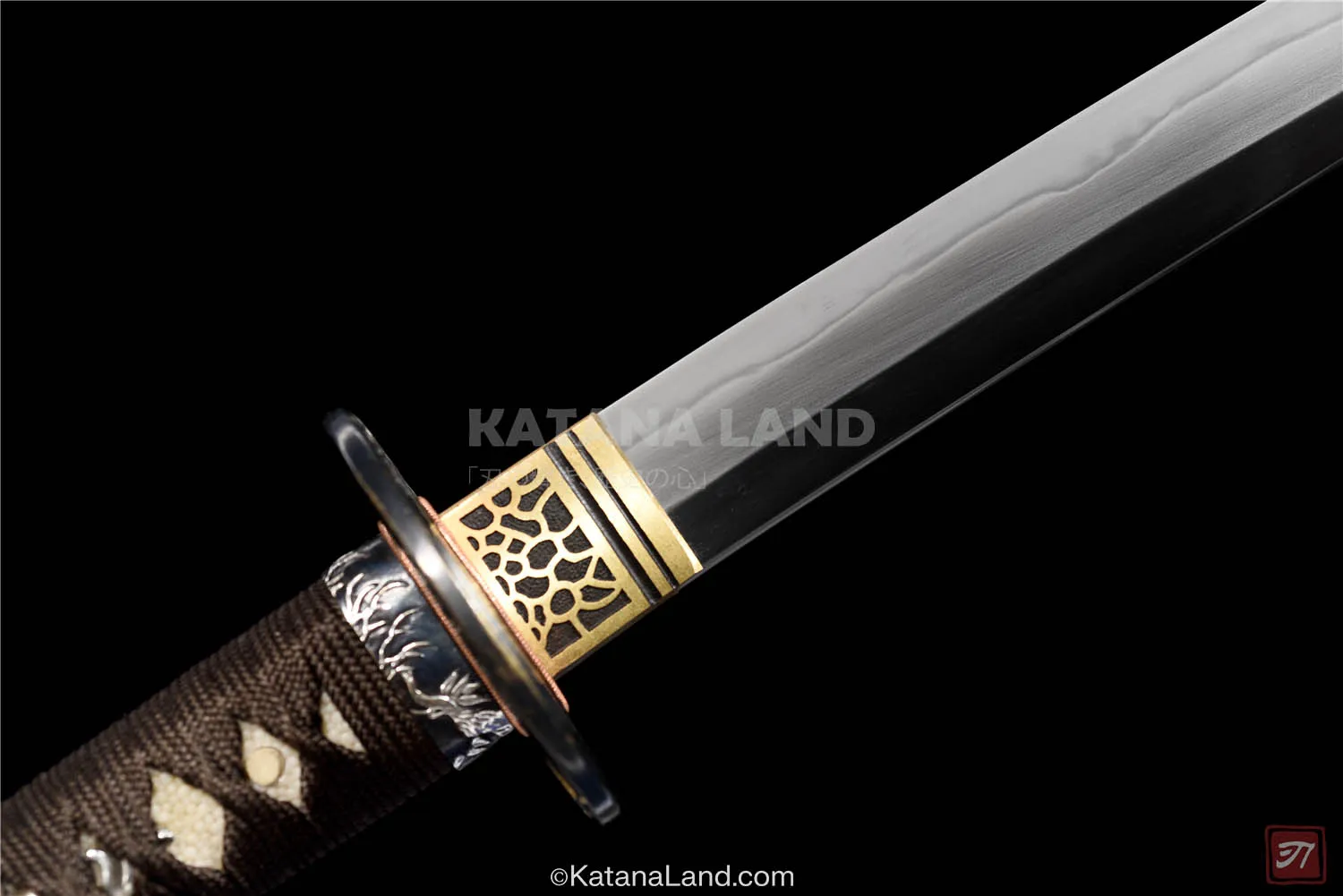
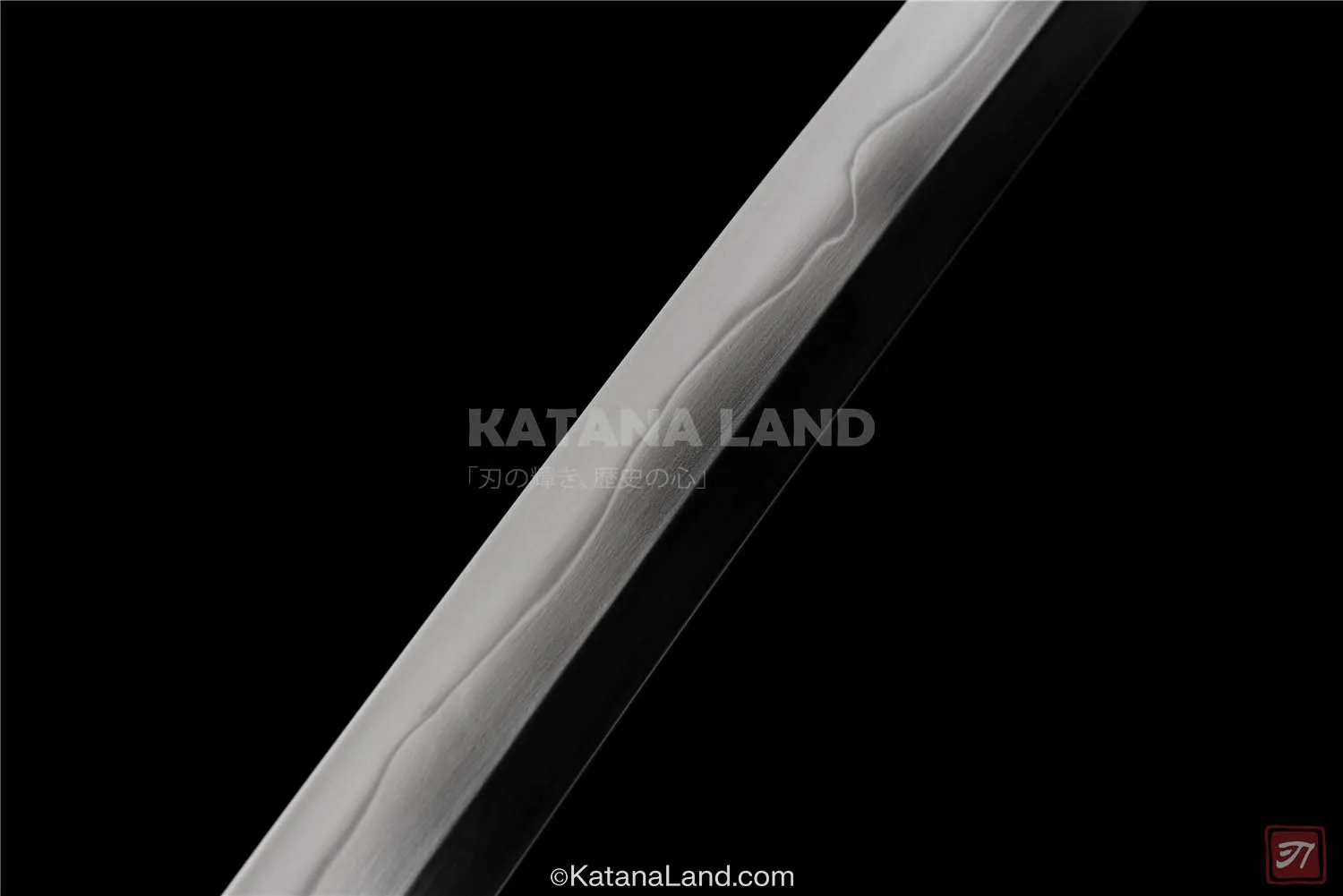
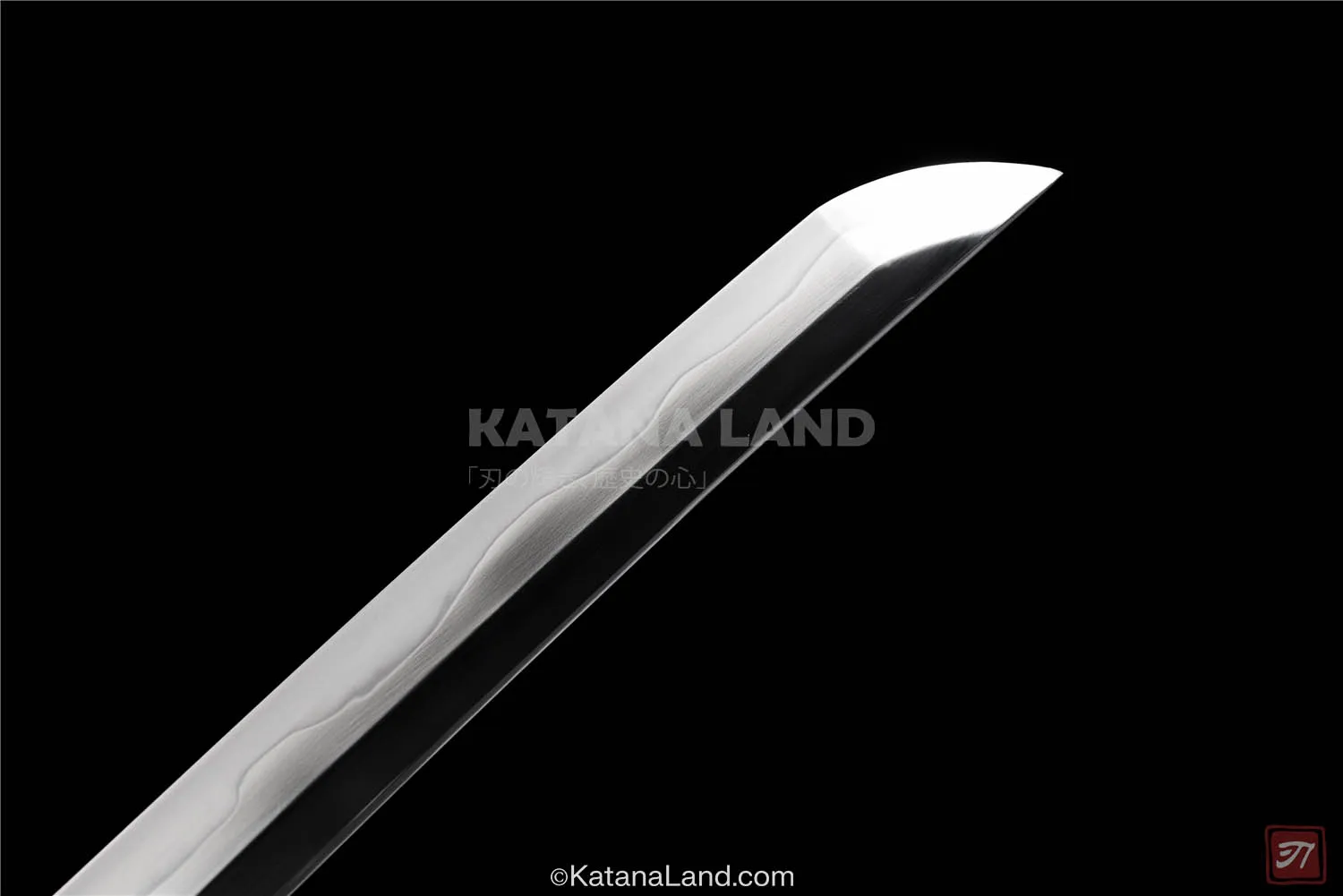
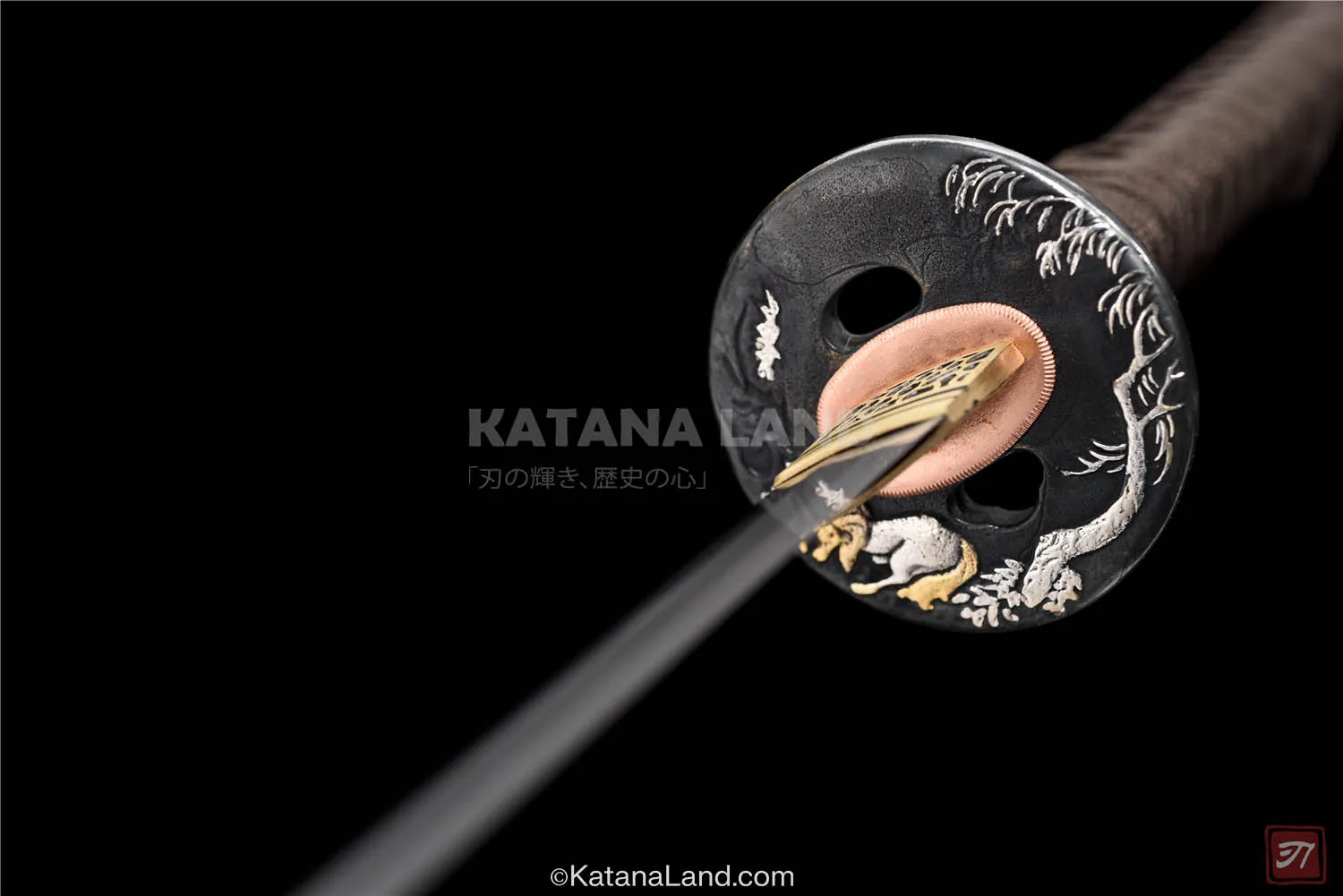
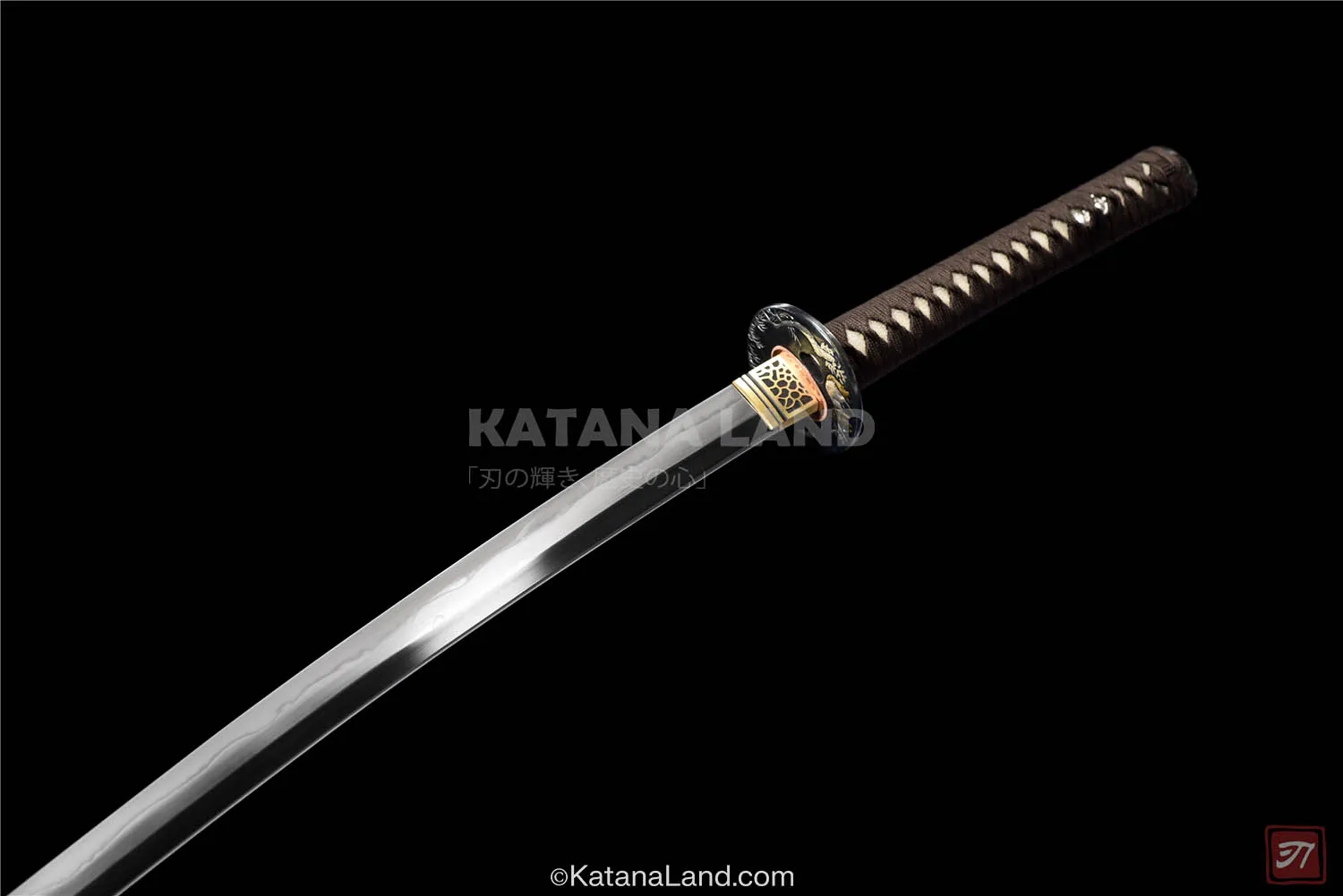
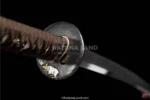
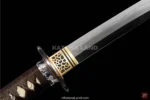
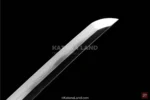
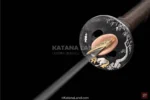
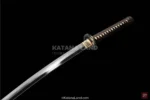
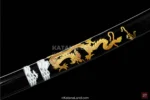
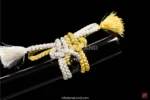
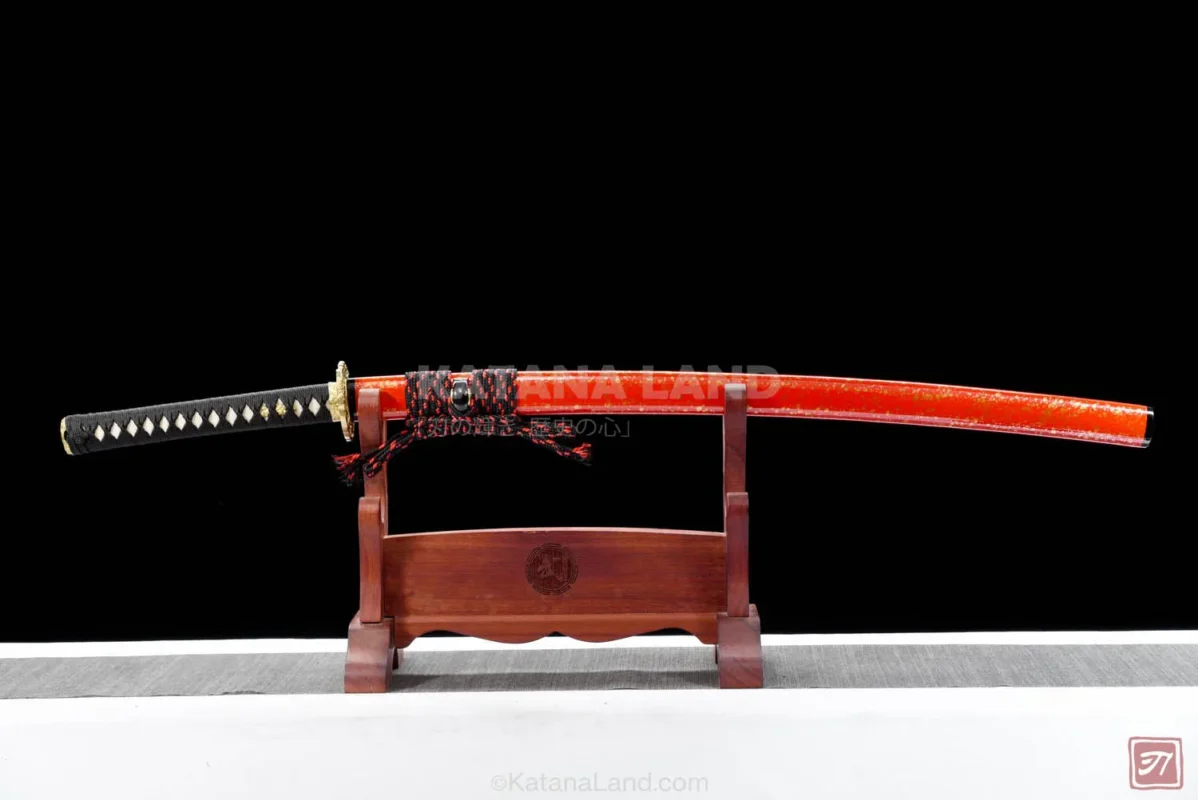
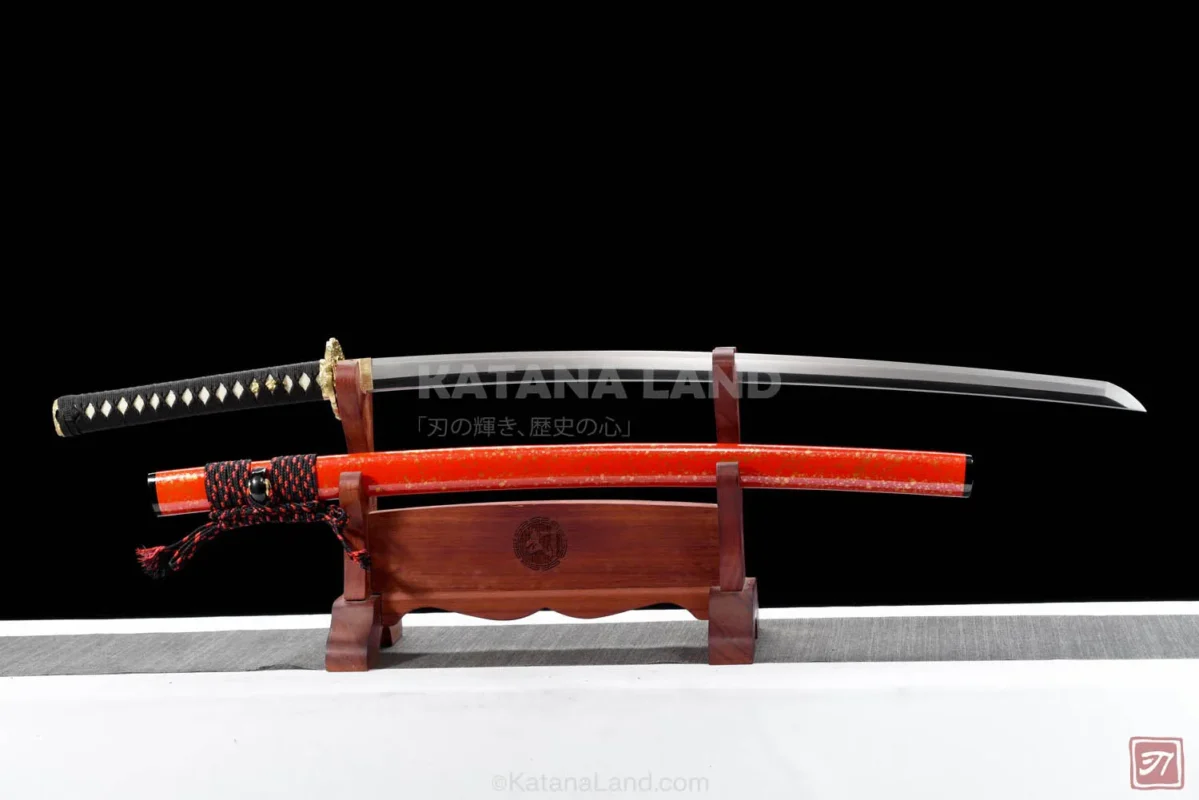
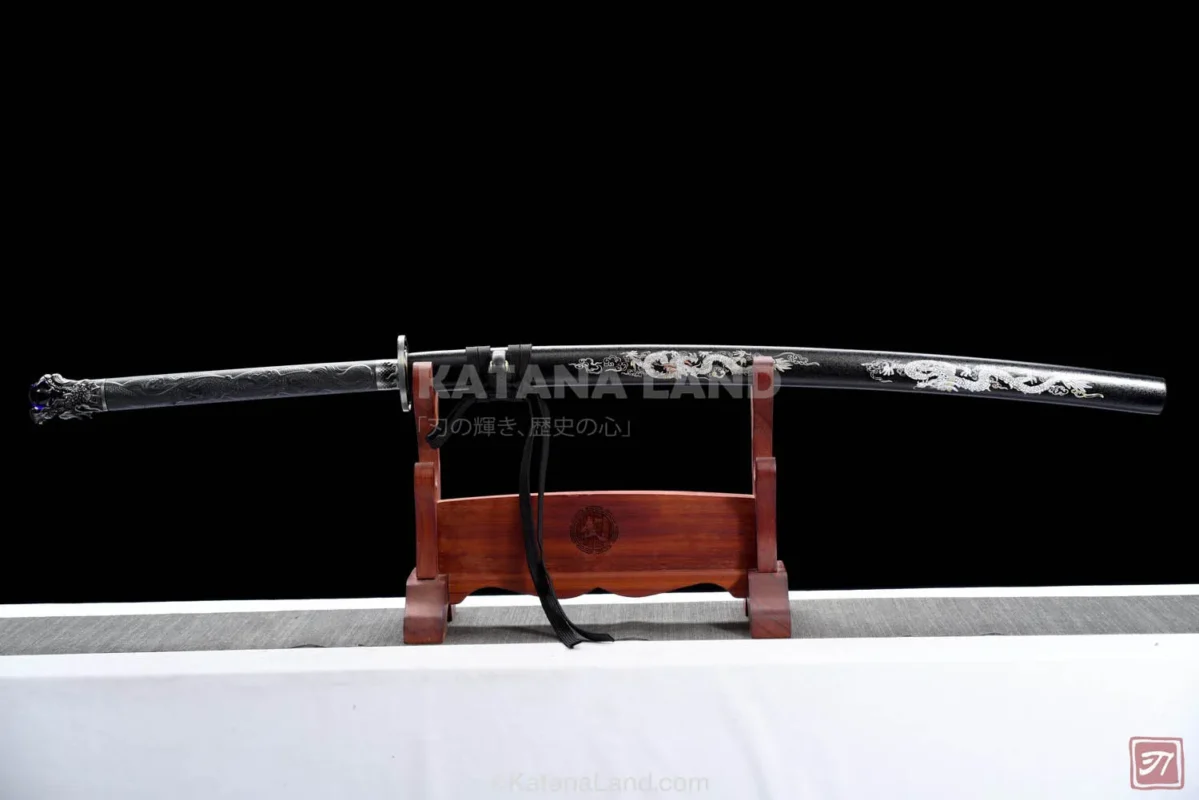
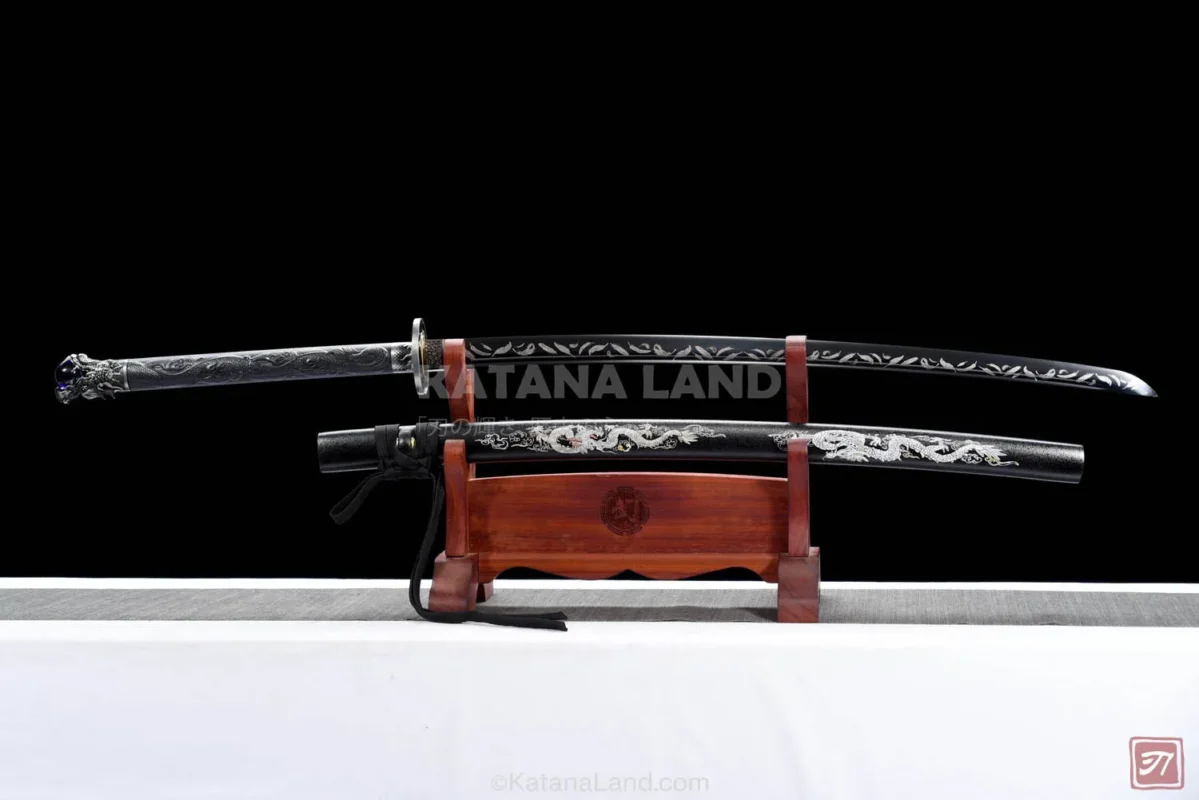
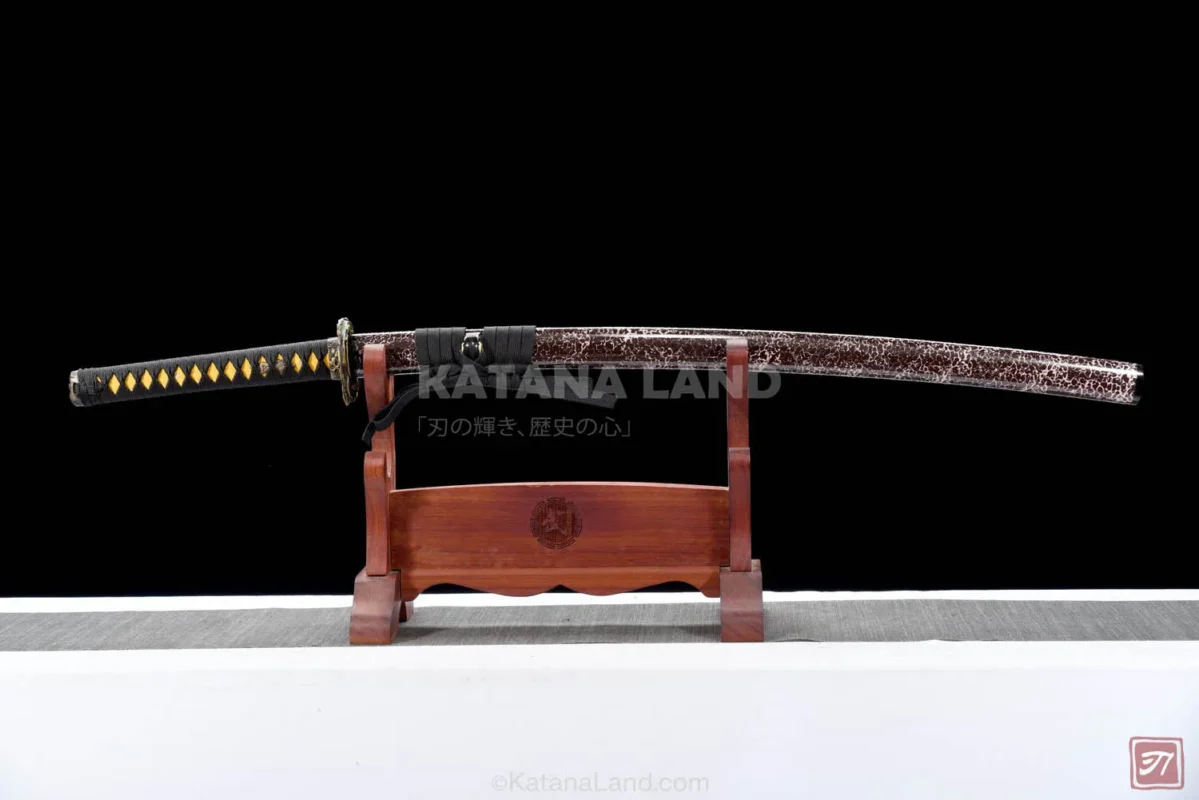
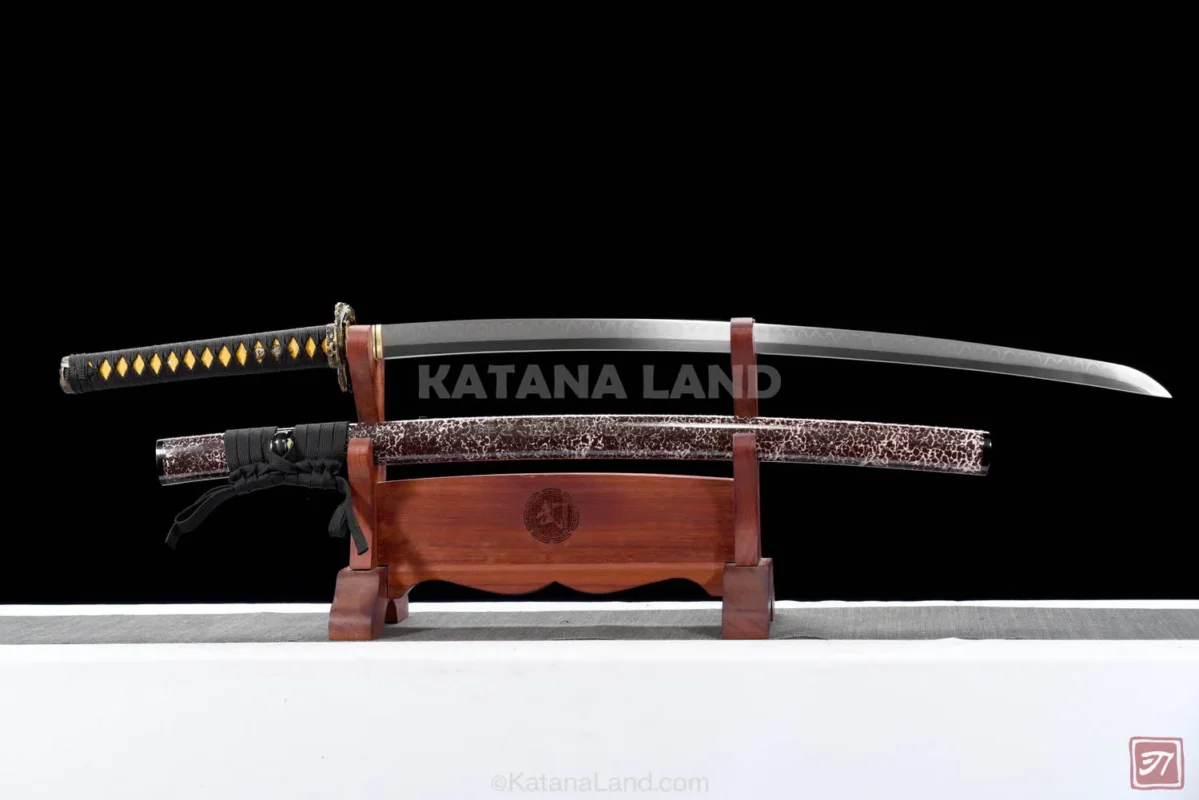
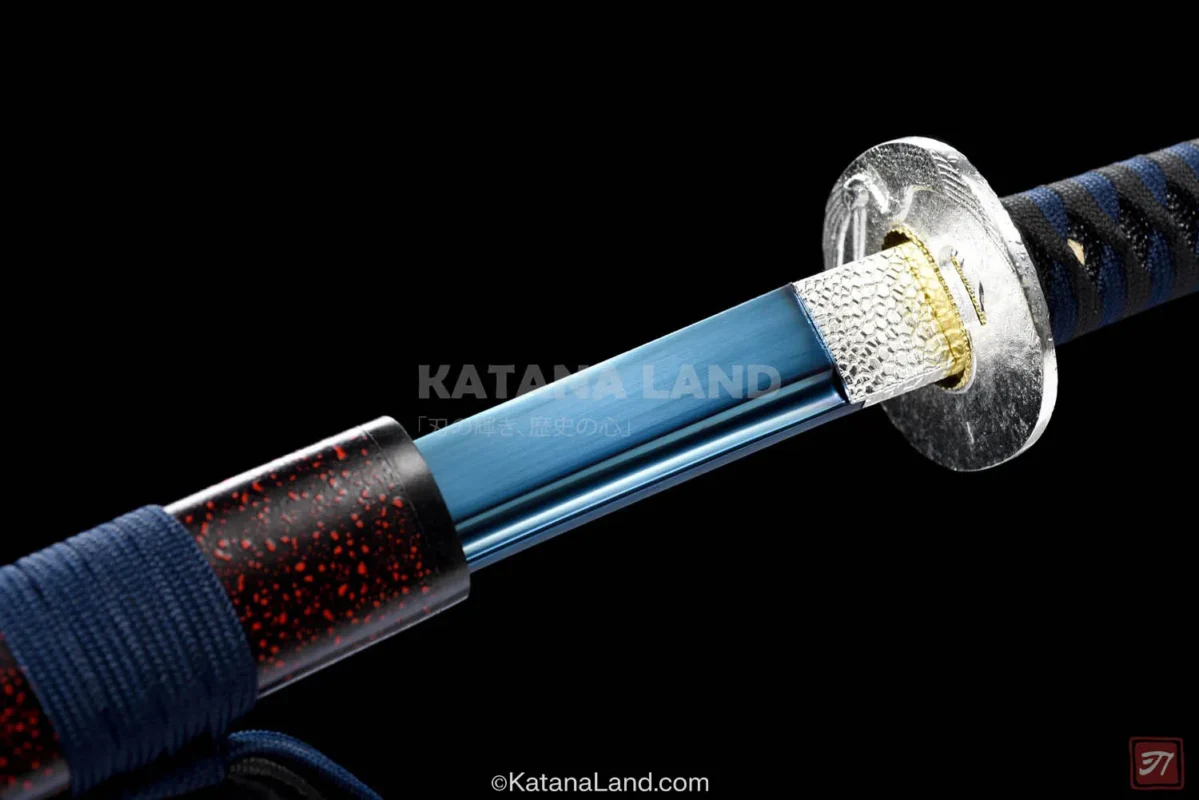
Kurogane no Tsurugi, or the Water Buffalo Koshirae Katana, shows the great tradition of Japanese sword making. It is 103 cm long, with a 71 cm blade made from T10 steel, known for being strong and very sharp. The blade has a special clay tempering method, which creates unique patterns that tell its story.
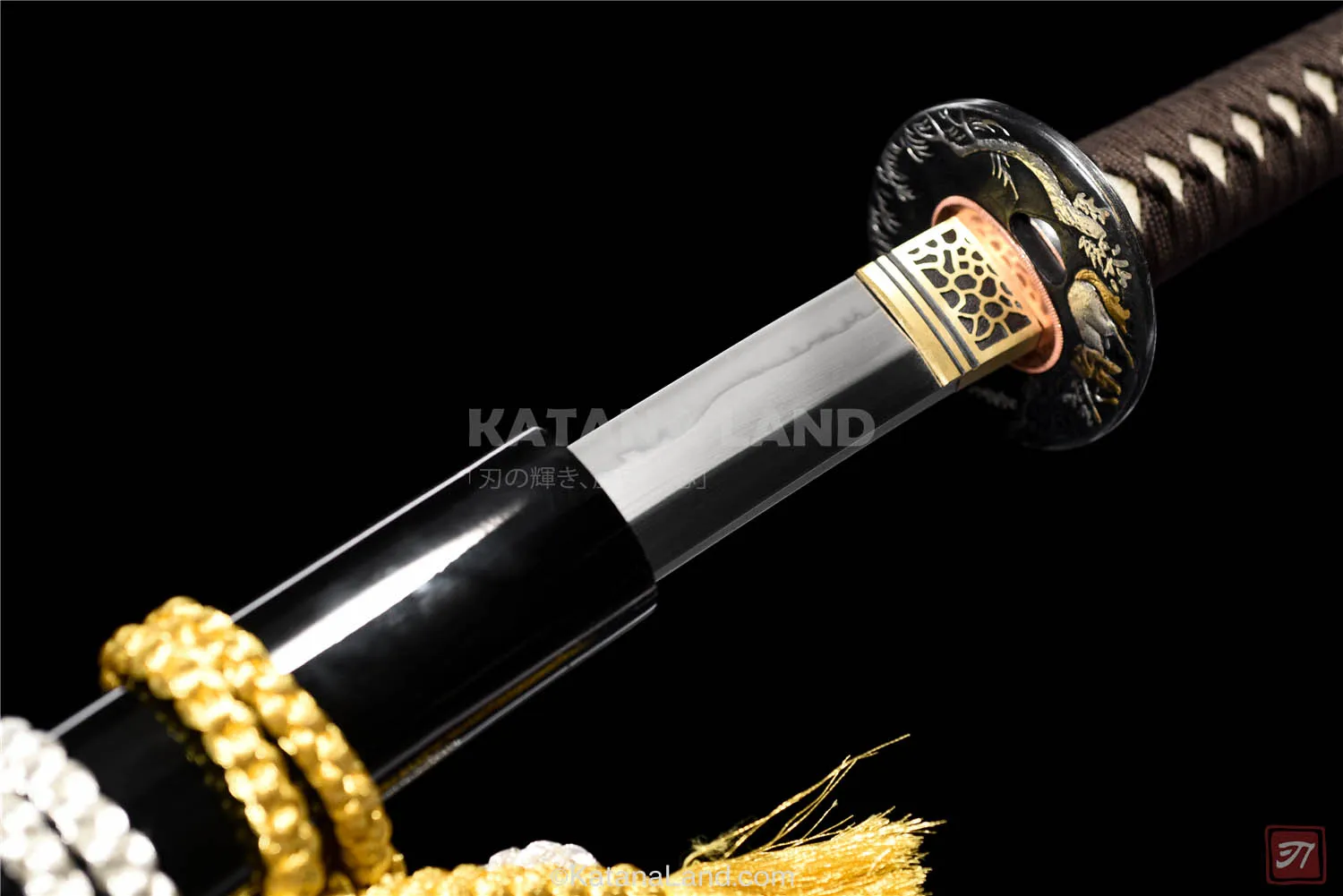
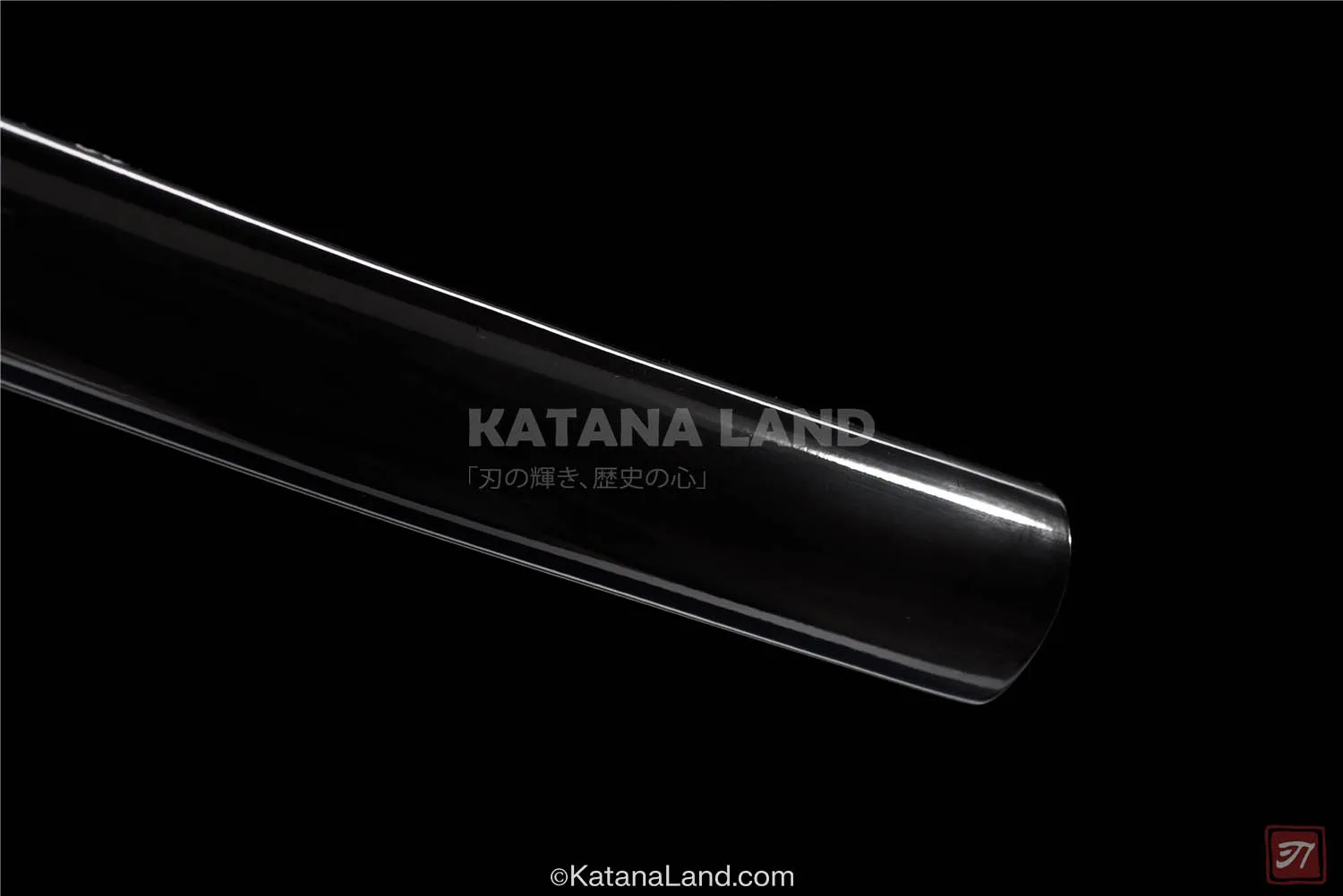
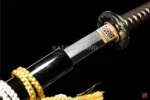
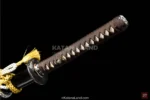
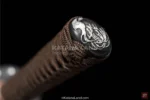
The handle is 27 cm long and is wrapped in beautiful pearl fish skin, making it look nice and easy to hold. The sword comes with a solid wood scabbard that is lacquered, showing the skill of traditional Japanese art. Weighing about 1.5 kg, Kurogane no Tsurugi is not just a weapon; it also represents the rich history and detailed art of samurai culture.
SHIPPING & DELIVERY
Sure! We use international shipping, so no matter where you are on the planet, we’ve got you covered.
We use DHL, UPS or FedEx.
We offer free shipping for all orders over $150.
You’ll receive an email with your tracking ID around the sixth day after order confirmation. You can use this ID to track your package on the the courier's website.
If your order has not arrived within the estimated delivery window, please check the tracking number first. If the tracking status shows no updates or if you experience a delay beyond the expected timeframe, contact our customer support team, and we will assist in resolving the issue.
RELATED PRODUCTS
BLOG POST

Why Balance Matters More Than Blade Weight
Walk into any sword shop, or scroll through enough listings online, and you’ll notice something. Sellers love to advertise weight.
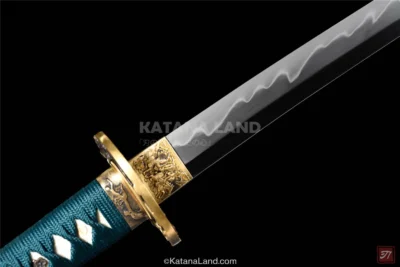
Carbon Steel Types For Katana Blades: The Real Differences That Actually Matter
Modern katana blades rely on carefully chosen carbon steels, and 1060 steel alone is estimated to dominate production with typical

Modern Katanas vs. Antique Nihontō
Spend five minutes in any sword community and you’ll stumble into the same tired argument: modern katanas versus antique nihontō,
